
In today’s hyper-connected world, where communication is not just a necessity but a way of life, the role of telecommunications cannot be overstated. From the humble beginnings of the telegraph to the sophisticated networks of today, the evolution of telecommunications has been nothing short of remarkable, shaping societies, economies, and the way we interact with each other on a global scale.
The roots of modern telecommunications can be traced back 5g 寬頻 the early 19th century with the invention of the telegraph by Samuel Morse. This revolutionary technology enabled messages to be transmitted over long distances through electrical signals, laying the foundation for rapid advancements in communication technology. The invention of the telephone by Alexander Graham Bell in 1876 further transformed communication, allowing for real-time voice conversations across vast distances.
However, it was the invention of the internet in the late 20th century that truly revolutionized telecommunications. The internet, originally developed as a decentralized communication network for military purposes, evolved into a global phenomenon, connecting people, businesses, and governments like never before. The emergence of email, instant messaging, and Voice over Internet Protocol (VoIP) services further expanded the possibilities of communication, making it faster, more efficient, and cost-effective.
The advent of mobile telecommunications in the late 20th century marked another significant milestone in the evolution of communication. Mobile phones, once considered a luxury, have now become an indispensable part of daily life for billions of people around the world. The transition from analog to digital cellular networks paved the way for faster data transmission, enabling a wide range of services such as mobile internet, multimedia messaging, and mobile banking.
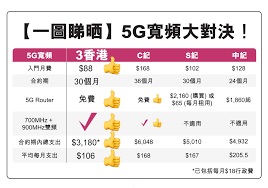
The proliferation of smartphones in the 21st century has further accelerated the pace of change in telecommunications. These pocket-sized computers not only allow for seamless voice communication but also serve as powerful multimedia devices, capable of streaming high-definition video, accessing social media, and running complex applications. The rise of 4G LTE and the ongoing rollout of 5G networks promise even faster speeds, lower latency, and greater capacity, opening up new possibilities for innovation in areas such as virtual reality, augmented reality, and the Internet of Things (IoT).
The future of telecommunications is undoubtedly exciting, with technologies such as artificial intelligence, machine learning, and blockchain poised to further transform the way we communicate and interact with each other. AI-powered virtual assistants, for example, are already revolutionizing customer service by providing personalized, 24/7 support through voice and text-based interfaces. Blockchain technology, on the other hand, holds the potential to revolutionize security and privacy in telecommunications, enabling secure, decentralized communication networks immune to hacking and censorship.